
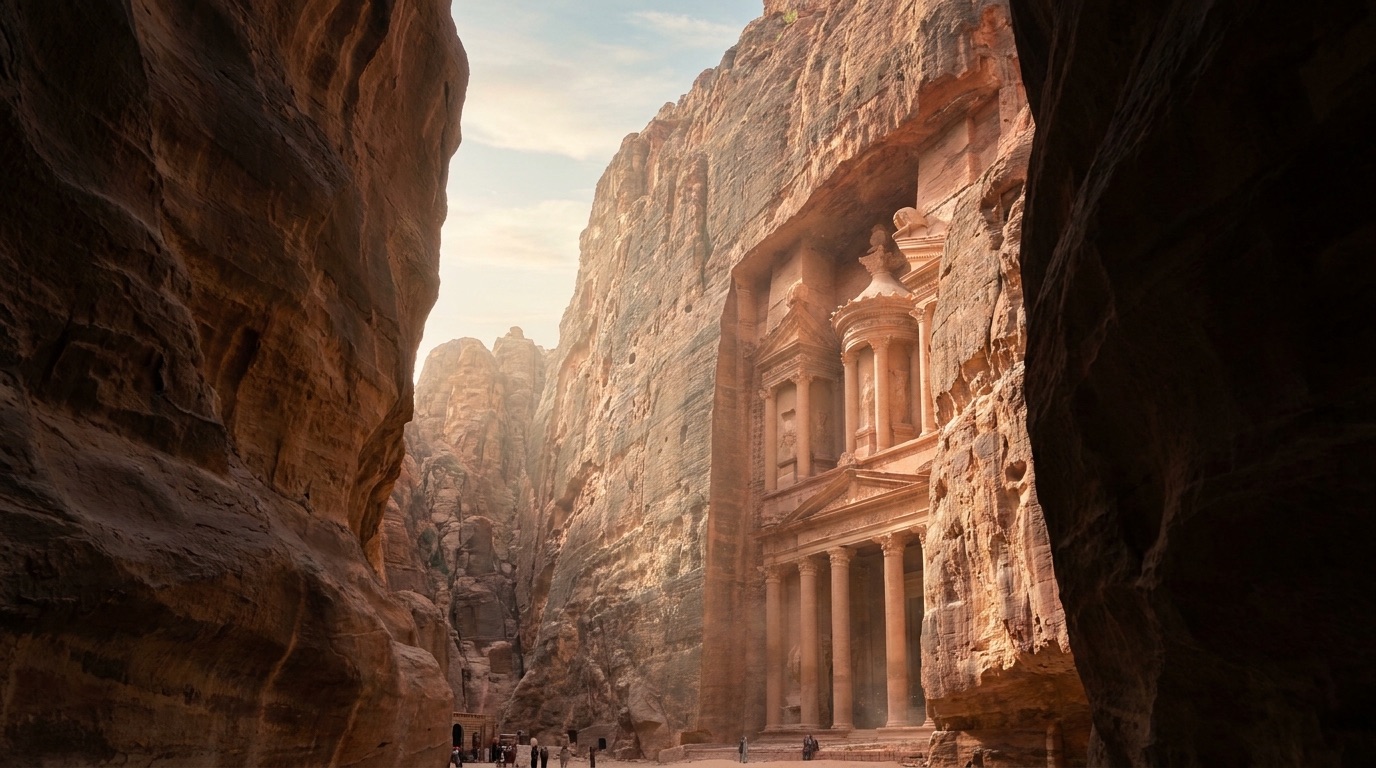
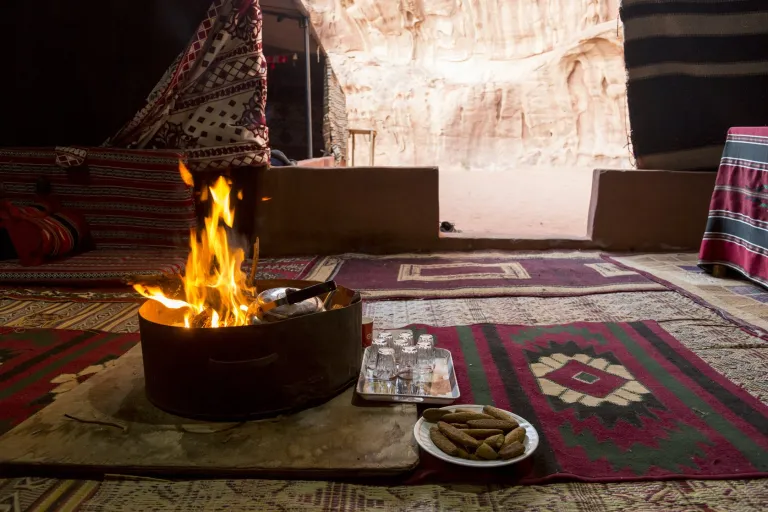
Whether you are walking through Petra, exploring Amman or enjoying a desert excursion in Wadi Rum, reliable drinking water is an essential part of your travel plans.
So, is it safe to drink tap water in Jordan? For visitors, the practical choice is unopened, factory-sealed bottled water or water from a verified, properly treated drinking-water supply. Do not assume that every tap is suitable for drinking, even in a hotel.
This guide explains how to choose drinking water, reduce plastic waste and prepare for your activities with Excursions Jordan.
Can You Drink Tap Water in Jordan?
Water quality can vary between locations and individual buildings. Treatment at the supply level does not guarantee the condition of water reaching every tap, particularly where storage tanks and internal plumbing are involved.
For your visit, choose bottled water with an intact factory seal unless your accommodation can confirm that a specific outlet provides properly treated drinking water.
Water’s appearance, taste or smell cannot reliably establish whether it is safe. Clear water may still contain microorganisms, while a mineral taste alone does not indicate contamination.
Is Hotel Tap Water Safe?
A hotel’s star rating does not guarantee that bathroom tap water is intended for drinking.
Some properties provide treated drinking-water dispensers, dedicated taps or bottled water. Ask staff which source guests should use, rather than assuming the entire building has drinking-water filtration.
Useful questions include:
Is this tap specifically intended for drinking?
Where can I refill my bottle with treated drinking water?
Is the water provided in the room complimentary?
Is drinking water included in meals or excursions?
If the answer is unclear, use sealed bottled water.
Brushing Teeth, Ice and Food Preparation
Where tap-water safety is uncertain, use bottled or adequately disinfected water for brushing your teeth and rinsing food that will be eaten raw.
When ordering cold drinks, ask whether the ice is made from treated drinking water. If you cannot confirm the source, request your drink without ice.
Tea and coffee prepared with freshly boiled water are generally safer choices. For fruit, choosing items you can peel yourself can reduce reliance on an unknown washing-water source.
Can You Boil Water Instead?
Boiling clear water is an effective way to kill disease-causing microorganisms.
Bring it to a full rolling boil for one minute, then allow it to cool in a clean, covered container. At elevations above approximately 2,000 metres, boil for three minutes.
However, boiling does not remove salt or harmful chemical contamination. If water is suspected to contain chemicals, choose another reliable source.
Are Filter Bottles Enough?
Not every filter bottle makes untreated water safe to drink.
Some filters mainly improve taste, while others remove certain microorganisms. Many portable filters do not remove viruses, so filtration alone may be insufficient.
Check the manufacturer’s specifications and instructions carefully. Where appropriate, filtration followed by disinfection provides broader protection than a basic filter alone.
For a straightforward holiday, sealed bottled water or a verified drinking-water refill point is often the simplest option.
How to Reduce Plastic Waste
You can reduce disposable-bottle use without compromising your drinking-water choices.
Bring a reusable bottle and refill it only from a confirmed drinking-water source. Keep the bottle clean and avoid touching its mouthpiece with unwashed hands.
Where practical, use a larger sealed water container to refill individual bottles. Use designated recycling points where available, and take all rubbish out of desert, coastal and archaeological areas.
Avoid assuming that every hotel or camp offers a refill station—ask before relying on one.
Preparing for Petra, Wadi Rum and Other Excursions
Water availability can be limited once an activity begins, particularly on longer walks or remote desert routes.
Before leaving, confirm:
How long you will be away from shops or refill points.
Whether the provider supplies drinking water.
How much water is included per person.
Whether additional water is available.
Where you can refill your bottle safely.
Carry water within easy reach rather than leaving your entire supply in a vehicle. Plan breaks and avoid starting an excursion without enough water for the expected conditions.
Quick Answers About Drinking Water in Jordan
| Question | Practical answer |
|---|---|
| Should I drink directly from an unfamiliar tap? | Use sealed bottled water or a confirmed treated drinking-water source instead. |
| Does a luxury hotel guarantee drinkable tap water? | No. Ask which outlets are intended for drinking. |
| Can I use a reusable bottle? | Yes—refill it from a verified source and keep it clean. |
| Is clear water necessarily safe? | No. Appearance does not establish safety. |
| Is water included in every tour? | Inclusions vary; check the specific listing. |
| Can I drink from a natural spring? | Do not assume untreated spring water is safe. |
Explore Jordan with Better Preparation
A little preparation helps you spend more time enjoying Jordan’s landscapes, history and communities. Choose a reliable drinking-water source, carry enough for your plans and check arrangements before travelling into remote areas.
Excursions Jordan brings together activities from local providers across the country, including cultural visits, desert adventures and Red Sea experiences.
Read each listing’s inclusions and ask about drinking water, meals and transport before booking.
Explore tours, activities and local experiences with Excursions Jordan