
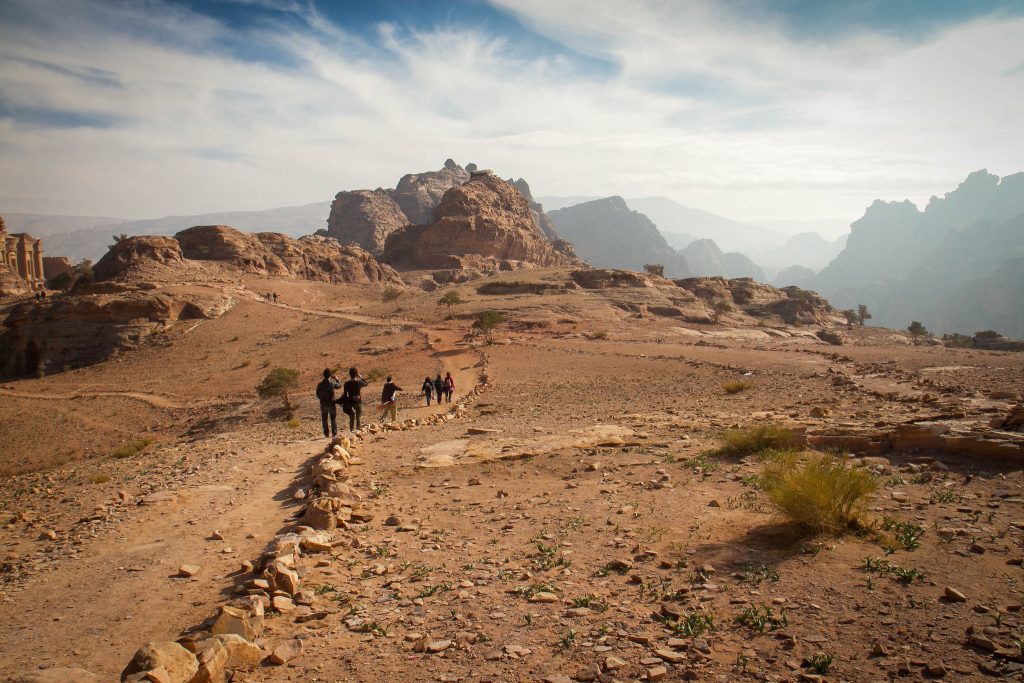
Jordan’s natural landscapes extend far beyond its famous deserts. Northern woodlands, seasonal wildflowers, freshwater habitats and rugged mountain valleys support a variety of plants, birds and other wildlife.
For travellers, discovering this diversity can mean a quiet morning of birdwatching, a guided forest walk or learning how native plants survive in dry conditions.
This guide introduces places to explore Jordan’s biodiversity, with ideas for planning your journey through Excursions Jordan.
Dana Biosphere Reserve: Landscapes That Change with Elevation
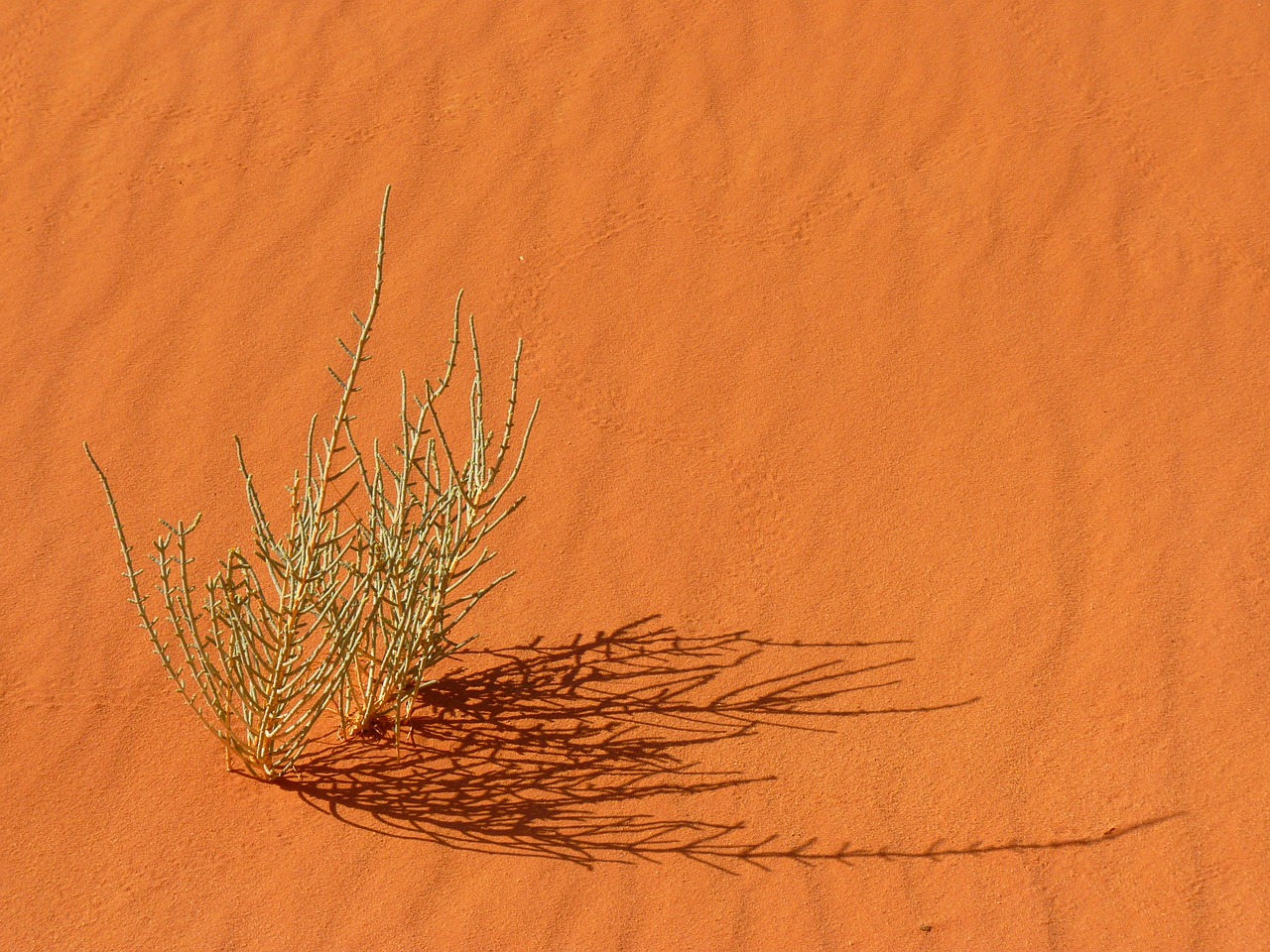
Dana’s appeal lies partly in the variety of habitats found across its changing elevations. Rocky highlands, slopes and valleys create different growing conditions and opportunities to observe nature.
Explore with a guide who can help identify plants, explain the landscape and point out signs of wildlife that are easy to overlook.
Birdwatchers may enjoy scanning cliffs and open skies, while visitors interested in plants can look closely at how vegetation changes along a route.
Planning Your Visit
Choose your trail before arranging transport or accommodation. Short walks and longer treks have different requirements for fitness, guiding, water and overnight support.
Spring can be rewarding for vegetation, although flowering depends on rainfall, elevation and timing. Wildlife sightings are never guaranteed.
Mujib Biosphere Reserve: Biodiversity Around Dramatic Valleys
Mujib combines steep terrain, waterways and contrasting elevations near the Dead Sea. These conditions create habitats that differ from the surrounding dry landscape.
Its scenery attracts many visitors, but a canyon adventure and a wildlife-focused visit are not necessarily the same experience. If your priority is plants or birds, explain this when asking about suitable routes.
Check the Activity Requirements
Some Mujib experiences involve swimming, wading or negotiating obstacles. Others have different access arrangements.
Confirm seasonal opening, age restrictions, physical requirements and weather conditions before travelling. Follow closures and staff instructions, particularly when rain could affect the route.
Browse outdoor activities and local experiences in Jordan
Royal Botanic Garden: Understanding Jordan’s Native Plants
The Royal Botanic Garden, established in 2005, focuses on conserving Jordan’s native flora and the habitats that support it.
Its work offers an opportunity to look beyond attractive flowers and consider the importance of seeds, plant identification, habitat restoration and adaptation to local conditions.
National plant inventories should not be confused with the number of species growing within the garden itself. A visit is best approached as an introduction to conservation rather than a promise to see every plant recorded in Jordan.
Arrange Access Before Travelling
Check current visitor arrangements, guided opportunities and accessibility directly. Educational activities and access to particular areas may require advance coordination.
Ask what is suitable for your interests, whether that is native trees, seasonal flowers or conservation work.
Azraq Wetland Reserve: An Oasis for Birdwatching
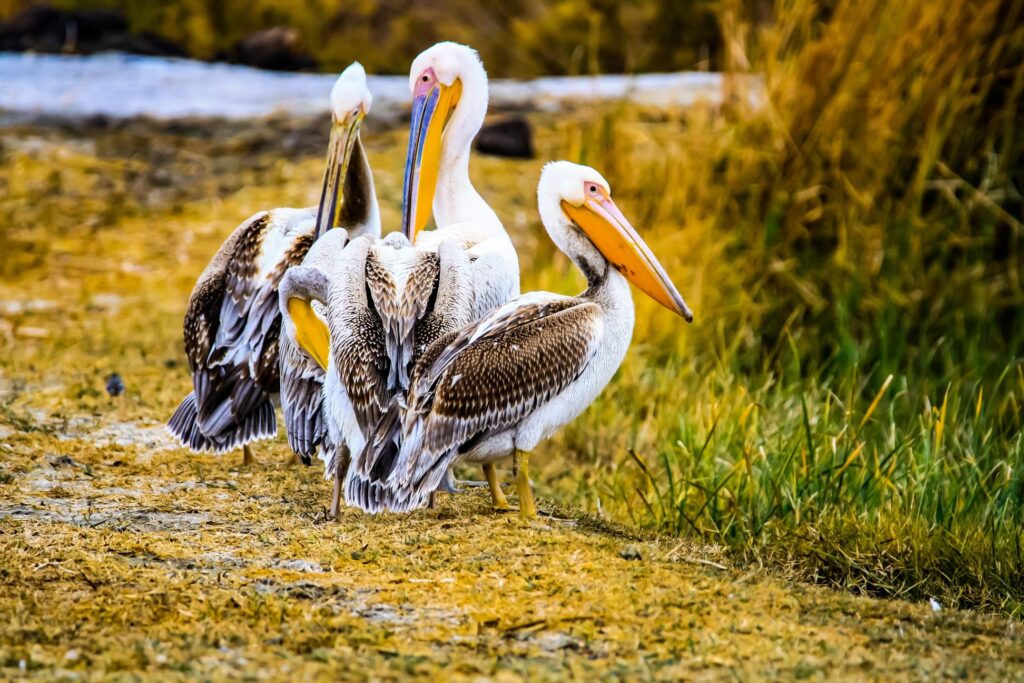
Azraq Wetland Reserve protects an important oasis in Jordan’s eastern desert. Its wetland setting provides a striking contrast to the surrounding landscape.
Birdwatchers can appreciate the relationship between water, vegetation and visiting or resident birds. Where observation facilities are open, use them quietly and give wildlife space.
The reserve also provides an opportunity to learn about water scarcity and the work needed to maintain wetland habitats.
When to Go
Migration periods and winter can offer different birdwatching opportunities. The species present depend on season, water conditions and other factors.
Ask reserve staff about recent observations rather than planning around a guaranteed list of rare birds. Binoculars and patience will usually be more useful than trying to approach wildlife closely.
Ajloun Forest Reserve: Woodland Plants and Conservation
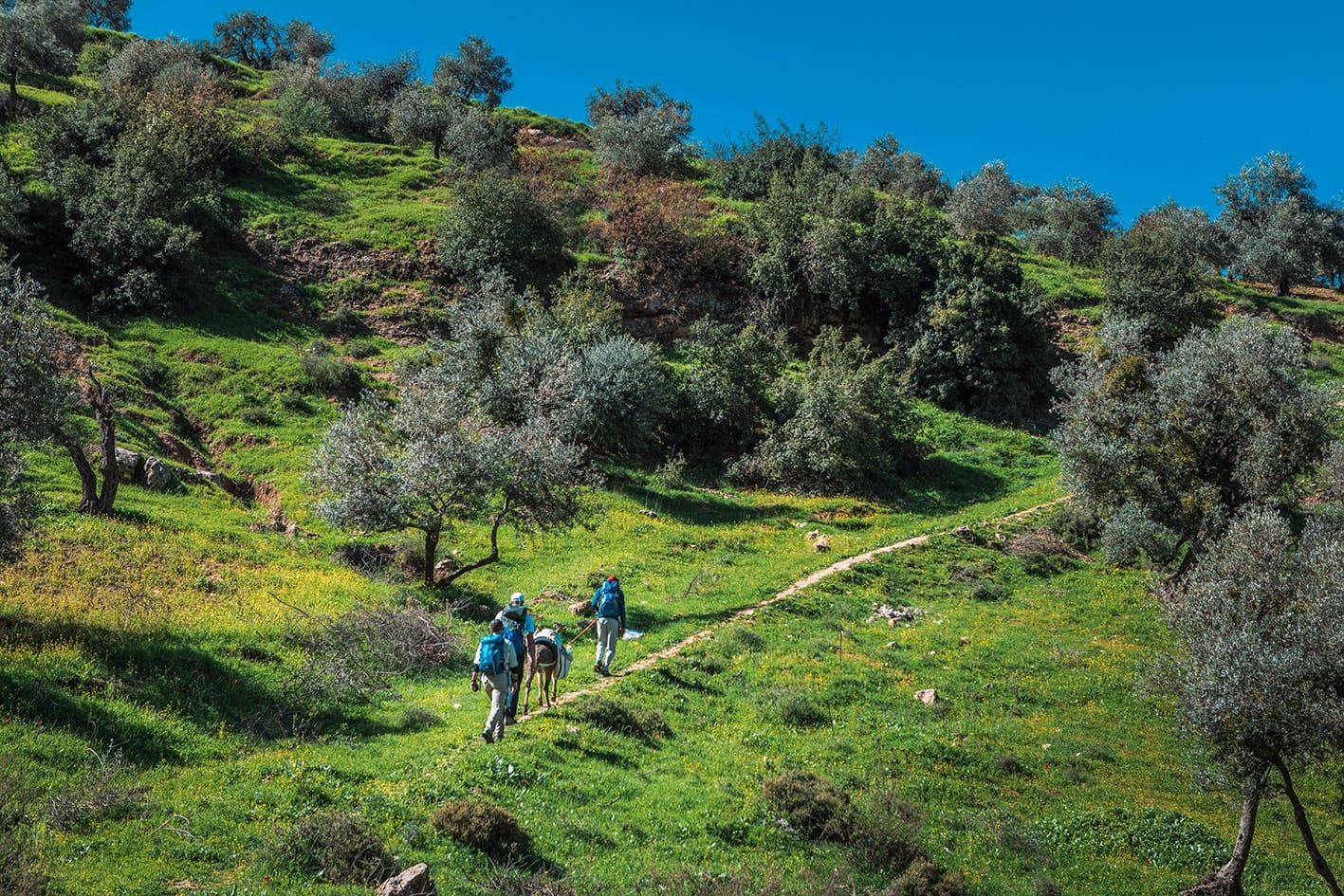
Ajloun’s wooded hills reveal another side of Jordan. Trees associated with its Mediterranean woodland include evergreen oak, carob, wild pistachio and oriental strawberry trees.
A forest walk offers opportunities to notice bark, leaves, birdsong and the smaller details of the habitat.
The reserve is also associated with conservation work involving roe deer, which had disappeared locally. Ask staff about current programmes and appropriate wildlife-viewing opportunities.
Explore at a Comfortable Pace
Choose a route suited to your abilities and available time. Guided walks may add insight into plant identification and connections between the reserve and neighbouring communities.
Stay on permitted trails and avoid picking plants or fruit unless explicitly authorised.
Plants and Wildlife: What to Look For
Rather than arriving with a checklist of rare species, consider the habitats you will visit.
| Habitat | What to notice |
|---|---|
| Northern woodland | Tree diversity, seasonal ground vegetation and woodland birds. |
| Mountain slopes | Changes in vegetation with elevation and exposure. |
| Wetlands | Waterbirds, reeds and the relationship between wildlife and water. |
| Desert landscapes | Sparse vegetation, animal tracks and adaptations to dry conditions. |
| Seasonal countryside | Flowers and fresh growth following suitable rainfall. |
A knowledgeable guide can help distinguish similar-looking species and explain their ecological roles.
When Is the Best Time to Explore Jordan’s Nature?
There is no single season for every habitat or species.
Spring can be rewarding for wildflowers and greener countryside, but bloom times vary. Birdwatching opportunities change with migration and local conditions, while woodland walks may suit several times of year.
Summer heat can limit comfortable outdoor activity, particularly in lower areas. Winter rain and cold may affect access to trails.
Choose your destination and interests first, then check the conditions expected during your visit.
What to Bring
For many nature visits, useful items include:
Comfortable footwear with suitable grip.
Binoculars for birdwatching.
Sun protection and weather-appropriate layers.
Drinking water and snacks.
A camera with a zoom lens, if available.
A notebook or identification guide.
A bag for carrying your rubbish out.
For longer or more demanding activities, follow the provider’s specific equipment guidance.
Observe Nature Responsibly
The best wildlife encounters allow animals to continue their normal behaviour.
Keep your distance, avoid feeding wildlife and minimise noise. Do not use recorded bird calls to attract birds or disturb nests for a photograph.
Leave flowers, seeds, rocks and other natural materials where you find them. Follow restrictions on fires, smoking and access, and respect nearby farmland and private property.
Check current admission charges and guiding requirements directly rather than relying on older fee lists.
Discover Jordan’s Natural Heritage with Excursions Jordan
Exploring Jordan’s flora and fauna adds depth to a journey through the country. A woodland walk, a birdwatching stop or a conversation about native plants can reveal details that a quick sightseeing visit misses.
Excursions Jordan brings together activities from local providers across Jordan. Check available outdoor and cultural experiences, and confirm whether your chosen itinerary includes reserve admission, specialist guiding, meals or transport.
Build your visit around the habitats that interest you and leave time to observe.
Discover tours, activities and local experiences with Excursions Jordan